
Reverse Engineering the Triumph Footrest Rubber – T2080227

Replacement footrest rubbers for Triumph’s T2080227 are still available, even if Triumph has discontinued them, but they’re expensive and sold individually. That made me wonder whether modern CAD, materials and 3D printing could produce a high-quality alternative that preserved the original fit and appearance. While also offering the opportunity to improve the design and reduce cost.
At first glance, the Triumph T2080227 footrest rubber looks like a fairly straightforward part. It’s only when you start looking more closely that you realise there’s rather more going on than first meets the eye.
The project began with a high-resolution 3D scan of an original Triumph rubber, not with the intention of simply printing the scan, but to capture the shape and proportions accurately.
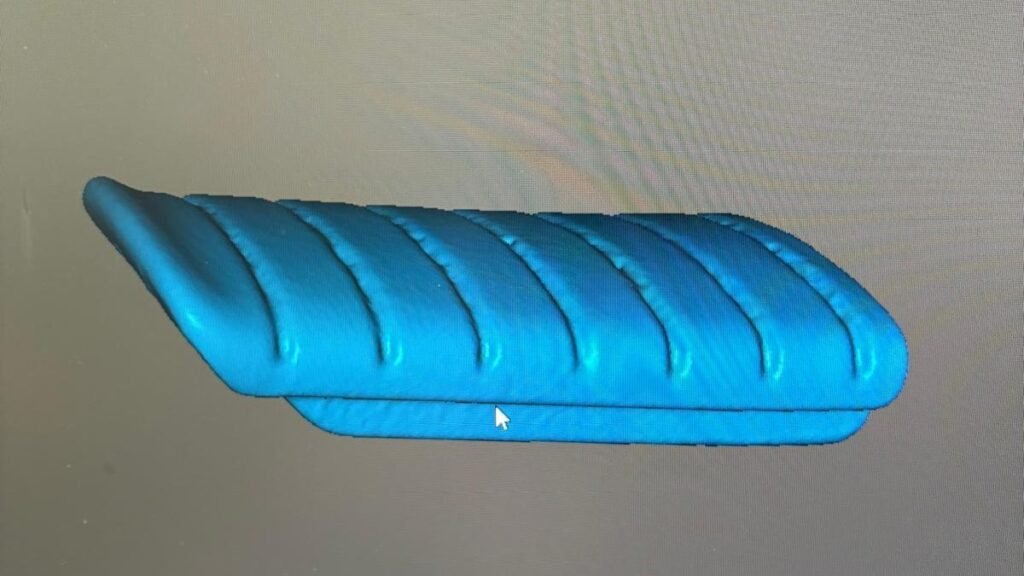
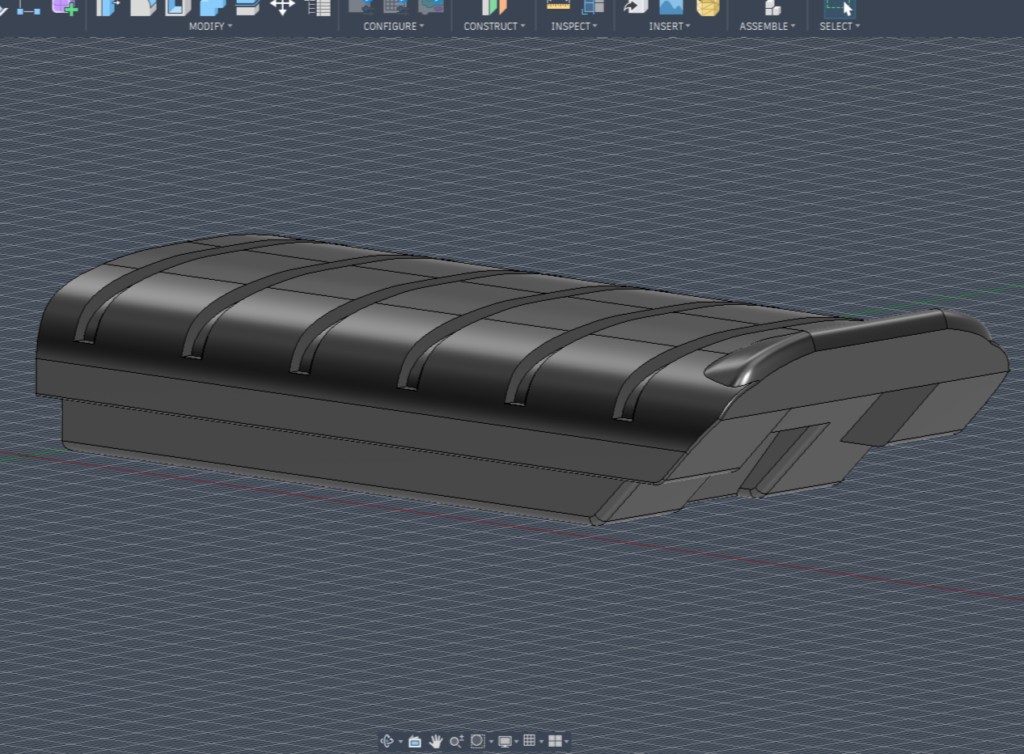
The work began in CAD, using the scan as a template to rebuild the part from scratch. Every surface was recreated, dimensions checked and the geometry refined until I had a model that was both accurate and suitable for reliable production.
That’s the approach I take with every reverse engineering project. I’m not trying to produce an exact copy. I’m asking whether modern CAD, materials and 3D printing allow me to produce a better replacement while still preserving the fit, function and appearance of the original.
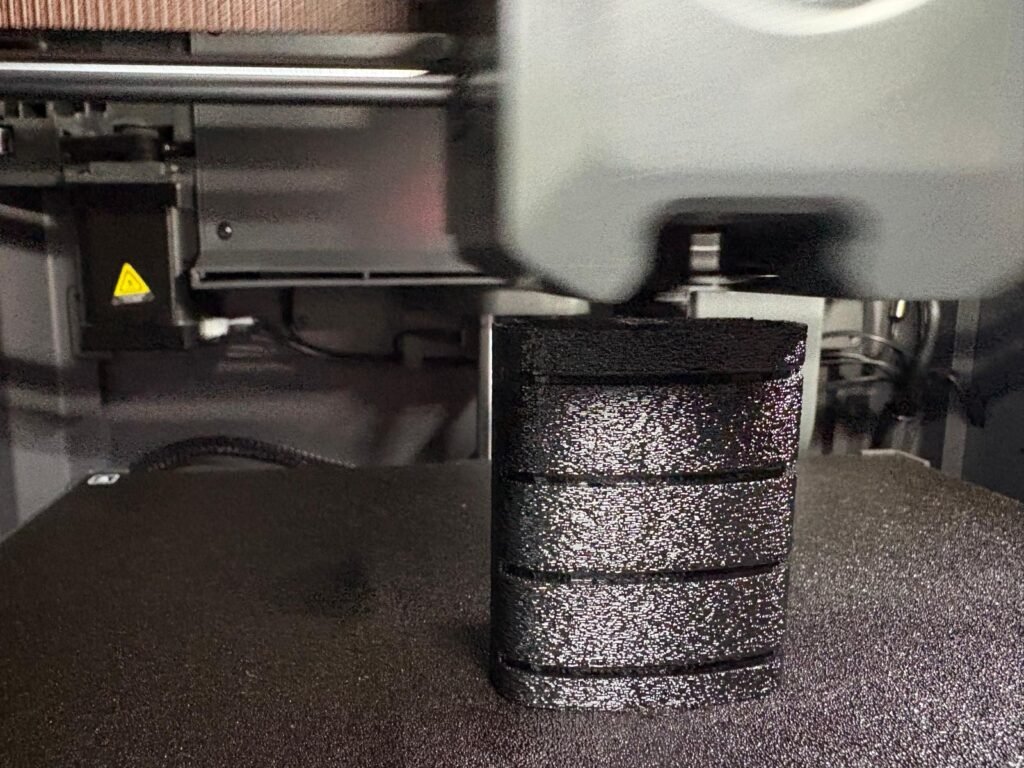
The original rubber measured around 55–60 Shore A, but matching its characteristics involved far more than selecting a filament with a similar Shore hardness. Material, wall count, infill, print orientation and surface texture all influence how the finished part behaves.
If you would like a slightly deeper dive on material choice, you may find our EPDM vs TPU Forge Notes article interesting.
Several combinations were tested, including both 90A and 95A TPU. Interestingly, the faster-printing 95A material ultimately produced the better result. By tuning the print settings, wall count and internal structure, it became possible to produce a part that looked better, whilst cutting the print time considerably and coming much closer to the overall feel that I was looking for.
The surface texture also went through several revisions. The design intent wasn’t simply to make the part look right, but to develop a finish that offered improved grip while still looking at home on the bike. At the same time, the internal structure was tuned to deliver the level of compliance I wanted, with the aim of improving rider comfort through better vibration damping.
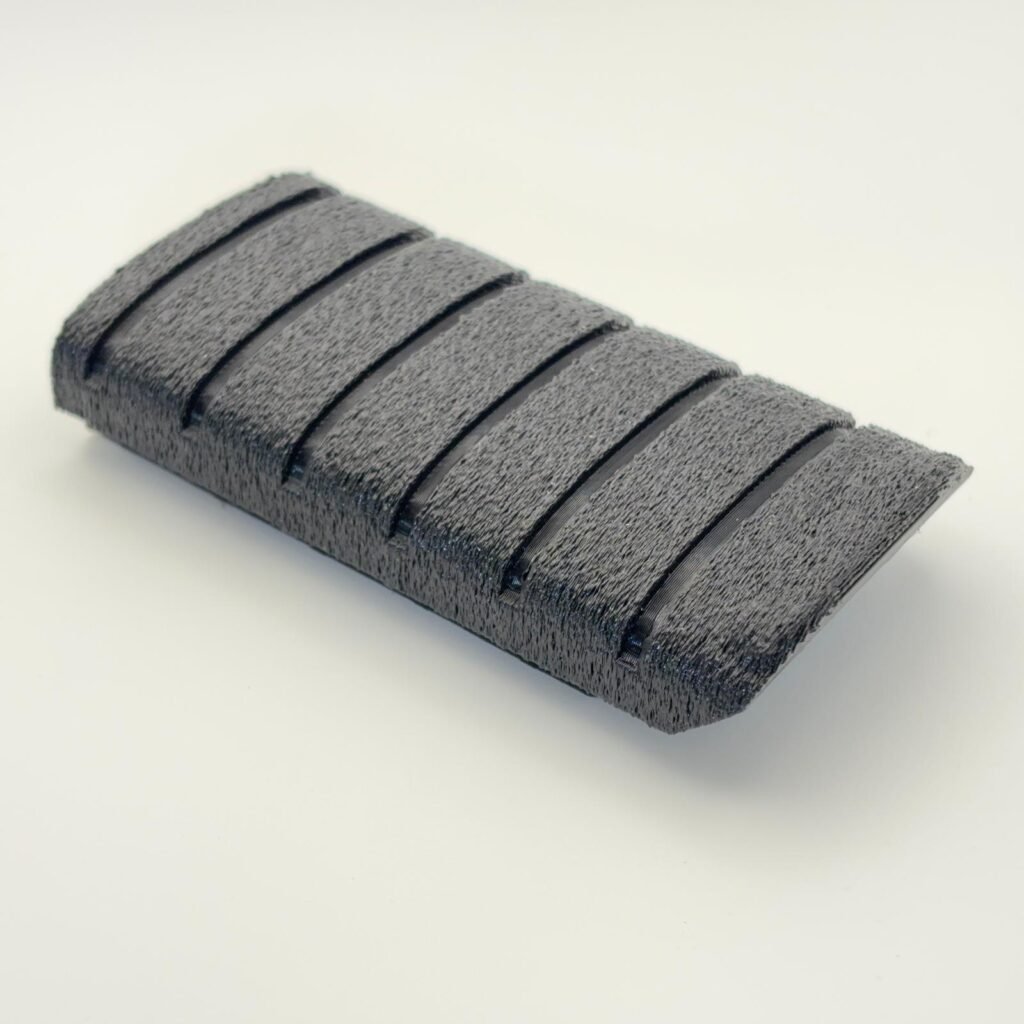
Although every reverse engineering project is different, the objective is always the same. Rather than simply reproducing the original, I ask whether modern CAD, materials and 3D printing can produce a better replacement without compromising the fit, function or appearance that owners expect.